Recovery Techniques Every BJJ and Judo Student Should Know
Training in Brazilian Jiu-Jitsu (BJJ) and Judo is intense, demanding both physically and mentally. While learning techniques and drilling are crucial, recovery is just as important to improve performance, prevent injuries, and stay consistent on the mats. Every student—from beginner to advanced—needs a solid recovery plan to maximize results and longevity in martial arts.
In this guide, we’ll explore proven recovery techniques every BJJ and Judo student should know.
Why Recovery is Critical for BJJ and Judo
Recovery isn’t just resting—it’s about allowing your body and mind to rebuild stronger after training. Without proper recovery, students risk:
Fatigue and decreased performance
Overuse injuries like tendonitis or joint pain
Reduced flexibility and mobility
Mental burnout and decreased focus
By implementing proper recovery strategies, you’ll notice faster progress, improved endurance, and better resilience during both training and competitions.
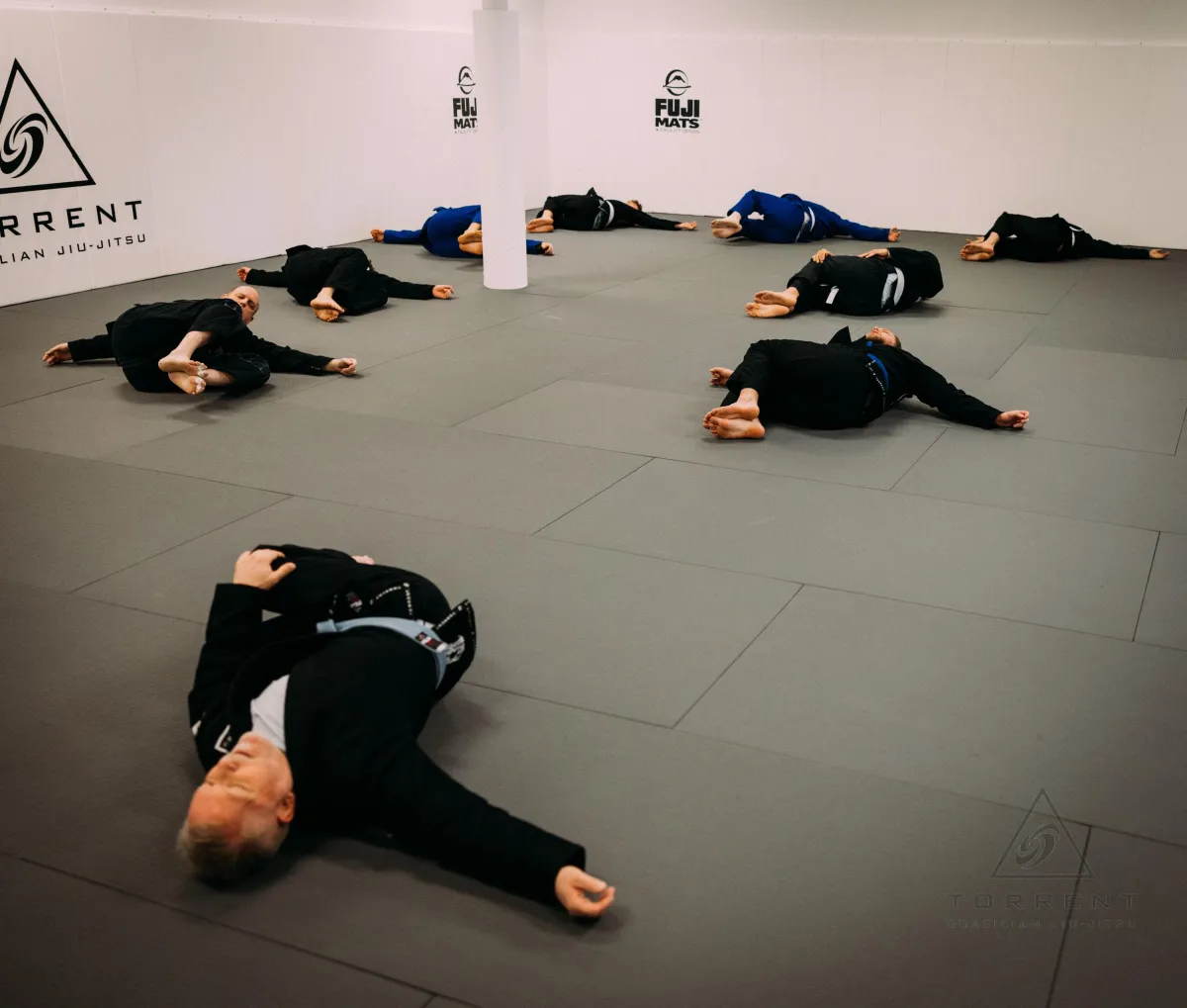
1. Stretching and Mobility Work
Maintaining flexibility and mobility is essential for grappling sports like BJJ and Judo. Stretching helps release muscle tension, improve joint health, and prevent injuries.
Tips for effective stretching:
Dynamic stretching before training to warm up muscles
Static stretching after training to lengthen muscles and improve flexibility
Include hip, shoulder, and spine mobility drills regularly
Consider a yoga session once a week to enhance full-body mobility
2. Active Recovery
Active recovery involves low-intensity activities that promote blood flow without stressing the body. This helps muscles repair faster and reduces soreness.
Examples include:
Light jogging or cycling
Swimming
Bodyweight mobility drills
Easy rolling or technical drilling at low intensity
Even 10–20 minutes of active recovery on off-days can make a big difference in performance.
3. Proper Nutrition and Hydration
Your body needs fuel to recover. Proper nutrition and hydration accelerate muscle repair, maintain energy levels, and support joint health.
Key tips:
Eat protein-rich meals to rebuild muscles
Include healthy fats and complex carbs for sustained energy
Stay hydrated before, during, and after training
Consider anti-inflammatory foods like berries, salmon, or leafy greens
4. Sleep and Rest
Sleep is where recovery truly happens. During deep sleep, your body produces hormones like growth hormone that repair tissue and strengthen muscles.
Sleep strategies for martial artists:
Aim for 7–9 hours of quality sleep per night
Maintain a consistent sleep schedule
Avoid heavy meals, caffeine, or screens right before bed
Even small improvements in sleep can dramatically improve performance and reduce fatigue.
5. Recovery Tools
Using tools can help accelerate recovery and ease muscle tension.
Popular recovery tools:
Foam rollers for self-myofascial release
Massage balls for tight spots like shoulders and hips
Ice or heat therapy for inflammation or sore muscles
Compression gear to improve circulation
Regular use of these tools can reduce soreness and prevent injuries.
6. Mental Recovery Techniques
Recovery isn’t only physical. Mental rest is crucial for focus, confidence, and stress management.
Mental recovery strategies:
Meditation or mindfulness practice
Breathing exercises for relaxation
Journaling training notes to process techniques
Taking planned rest days to avoid burnout
Strong mental recovery ensures you stay motivated, calm, and focused during training.
Common Recovery Mistakes to Avoid
Skipping cooldowns or stretching
Neglecting sleep and nutrition
Overtraining without rest days
Ignoring minor aches and injuries
Relying solely on passive rest without active recovery
Avoiding these mistakes helps you stay injury-free and perform at your best.
Takeaways for BJJ and Judo Students
Recovery is an essential part of martial arts training. By focusing on stretching, mobility, active recovery, nutrition, sleep, recovery tools, and mental rest, you can:
Reduce the risk of injuries
Improve flexibility, strength, and endurance
Enhance mental focus and confidence
Train consistently without burnout
Remember, training hard is important—but recovering smarter is what makes champions.
Start Your Recovery Routine Today
Incorporate these recovery techniques into your BJJ or Judo routine to maximize performance and enjoy your training without setbacks. Even small improvements in recovery can lead to noticeable gains on the mats.
📞 Call us to schedule a free trial class: (781) 277-8005
🌐 Visit our website: https://torrentbjj.com