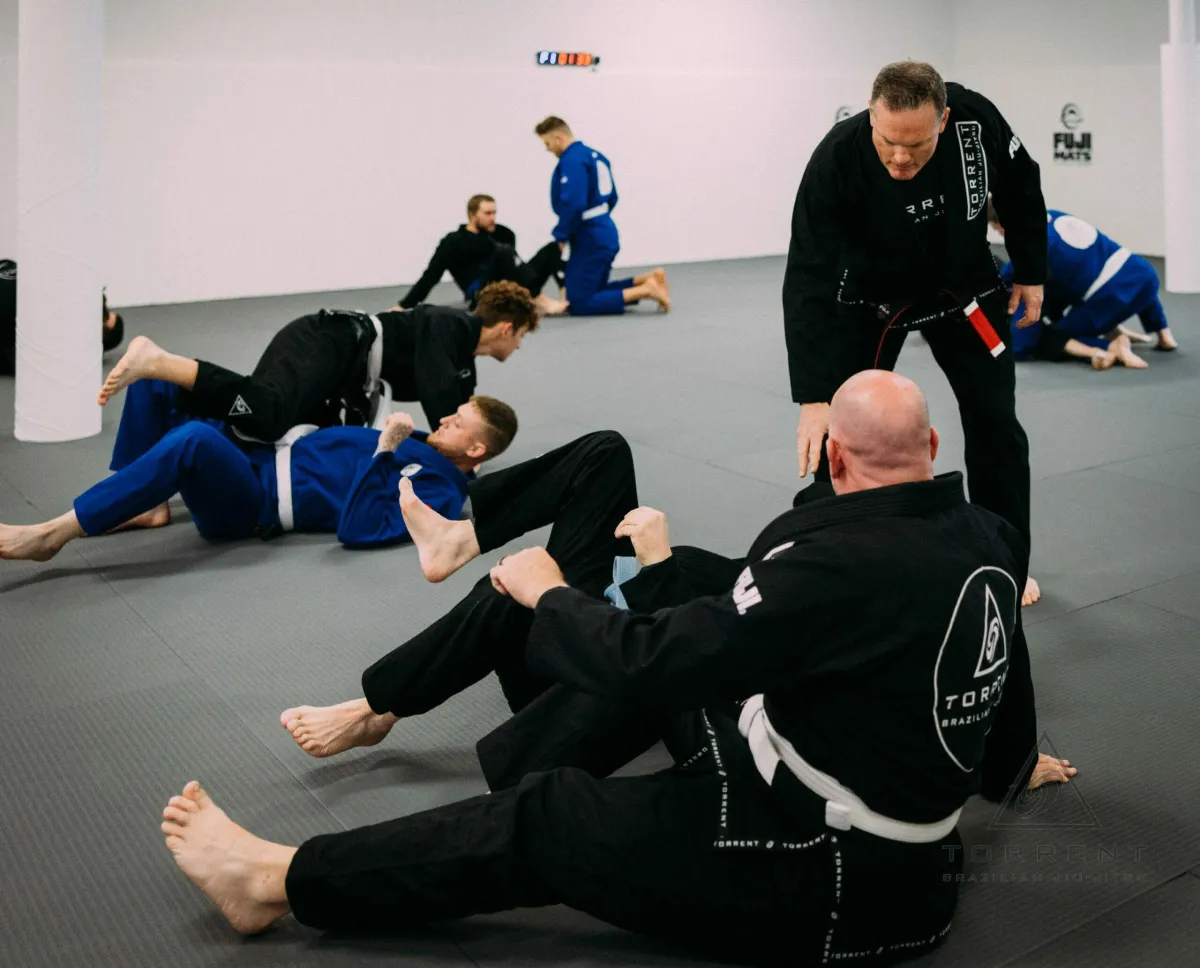
Mastering Martial Arts: Techniques Every BJJ Practitioner Should Know
Whether you’re new to Brazilian Jiu-Jitsu or looking to sharpen your skills, mastering core techniques is essential for both progress and safety on the mats. Understanding fundamental BJJ moves helps you defend yourself, control your opponent, and execute attacks effectively. By focusing on the basics, you build a strong foundation that will make advanced techniques much easier to learn.
In this guide, we’ll cover BJJ techniques every practitioner should know, designed for beginners and intermediate students looking to improve their martial arts skills for BJJ.
1. Basic Guard Positions
Guard positions form the foundation of both defense and attack in BJJ. Mastering these ensures you can control opponents and set up sweeps or submissions.
Key guards to focus on:
Closed Guard: Legs wrapped around the opponent’s waist; control posture and limit movement.
Half Guard: One leg trapped, one free; provides both defensive and offensive options.
Open Guard: Legs open with hooks or grips on the opponent; creates opportunities for sweeps and submissions.
Tips:
Maintain posture and control your opponent’s movement.
Practice transitioning smoothly between guard types.
2. Escapes from Mount and Side Control
Being trapped under an opponent can be dangerous. Learning escapes keeps you safe and allows you to regain a better position.
Essential escapes:
Bridge and Roll Escape: Use your hips to destabilize your opponent and roll them off.
Elbow-Knee Escape (Shrimping): Create space to regain guard from side control.
Tips:
Stay calm under pressure; avoid stiff movements.
Drill escapes regularly to build muscle memory.
3. Sweeps and Reversals
Sweeps allow you to turn a defensive position into an offensive one, giving you control of the match.
Common sweeps:
Scissor Sweep: Effective from closed guard to flip your opponent.
Flower Sweep: Uses momentum and leverage to reverse positions.
Hip Bump Sweep: Great for surprising taller opponents.
Tips:
Focus on timing and leverage rather than brute strength.
Combine sweeps with grips and off-balancing techniques.
4. Submissions Every Practitioner Should Know
Submissions are the finishing moves of BJJ. Understanding the basics ensures safety while giving you tools to control opponents.
Fundamental submissions:
Armbar: Targets the elbow joint; effective from guard or mount.
Rear-Naked Choke: Controls the neck for a safe tap-out.
Triangle Choke: Uses your legs to trap the opponent’s neck and arm.
Tips:
Practice with a partner to learn proper technique and avoid injury.
Focus on positioning and leverage over force.
5. Takedowns and Throws
Controlling the fight from standing is critical for BJJ. Leverage-based takedowns allow smooth transitions to ground control.
Key techniques:
Osoto Gari (Major Outer Reap): A basic throw from judo adapted for BJJ.
Double Leg Takedown: Standard wrestling technique adapted for BJJ.
Hip Throws: Use your hips to redirect opponent’s balance.
Tips:
Maintain balance and posture.
Practice entries and setups to make throws more effective.
6. Grip and Control Fundamentals
Good grips are the backbone of BJJ techniques. Proper grip makes submissions, sweeps, and control much easier.
Grip essentials:
Collar Grips: Control posture and set up chokes.
Sleeve Grips: Aid in sweeps, submissions, and maintaining distance.
Overhooks and Underhooks: Crucial for controlling upper body and transitions.
Tips:
Always secure grips before attempting moves.
Practice grip strength and endurance exercises.
Mastering these core techniques will significantly improve your confidence, control, and safety on the mats. The best way to progress is through consistent practice under professional guidance.
Ready to take your skills to the next level? Join our Adult BJJ program, check out our Beginner BJJ classes, or sign up for a trial today and start mastering essential BJJ techniques!